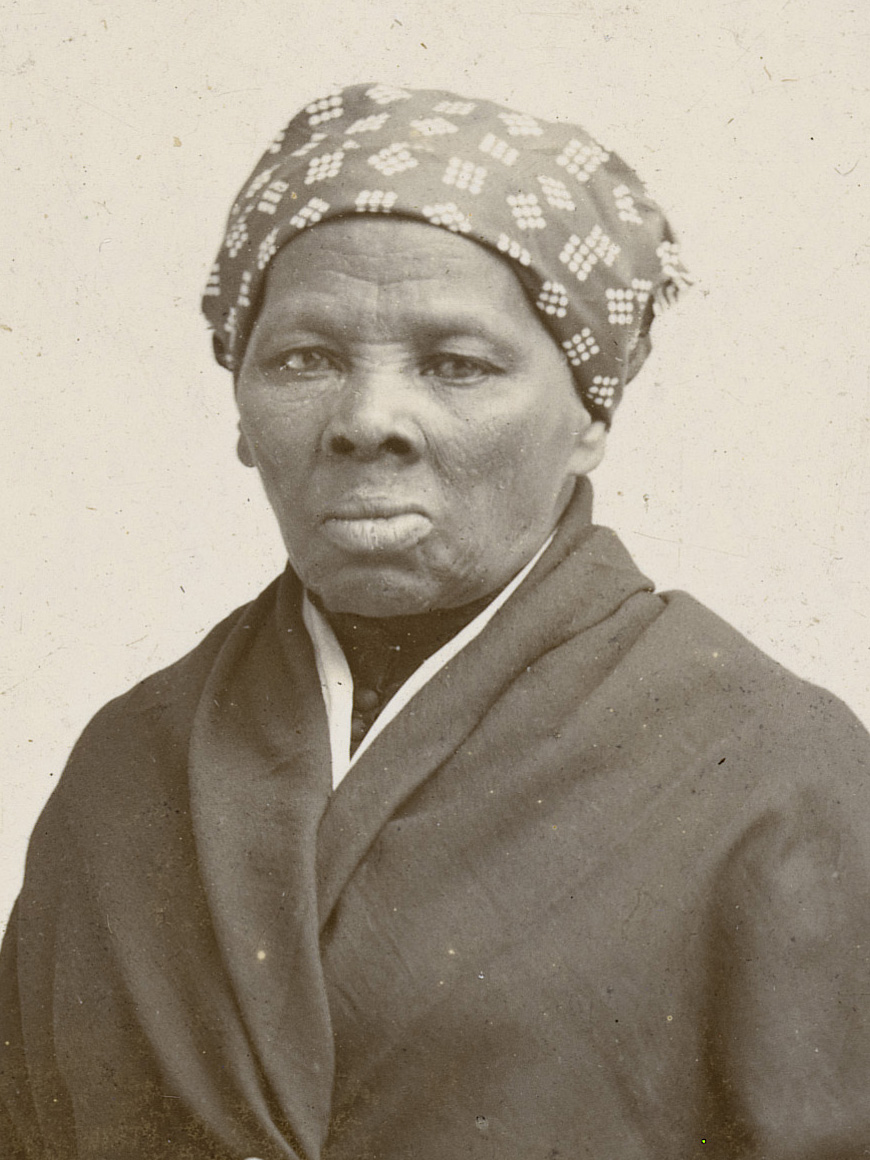
Harriet Tubman is one of the most remarkable figures in American history and is only fitting to talk about her during Black History Month.
Rewinding to 1822:
This was a time when slavery was still legal in many states, and Black people were considered property that were bought and sold. The Ross family was enslaved in Maryland and welcomed their 9th child Minty Ross who would later become known as Harriet Tubman after marriage. Under the law, being born to an enslaved mother meant inheriting the same fate. From a very young age, Minty was separated from her father and forced to work on farms and in childcare alongside her mother and siblings.
Three unexpected turn of events that shaped her life:
- When she was 13, she had an accident that fractured her skull and physical pain was a constant throughout her life. She had narcolepsy or “sleeping spells” where her brain wouldn’t be able to control sleepwake cycle and had frequent visions and hallucinations.
- In one her assignments, she happened to be working alongside her father in timber fields and befriended many black sailors. These sailors, well travelled and knowledgeable and connected, exposed her to possible escape routes
- Her enslaver had financial struggles which means she could get sold anytime and be separated from her loved ones.
She heard about an Underground Railroad network from her sailor friends through which she could escape to a northern state. She set out to escape from this system and was on her road to freedom. When I say underground rail network, it is metaphorical and there were no tracks and tunnels. It was just a network of people, guides and safe houses along the way. You trust random people, stay safe from bounty hunters and hope for the best. Whenever she was about to give up, she said her visions guided her and she finally escaped to freedom in 1849.
But she did not stay there and bask in her freedom. She repeatedly risked her life and returned to the South to lead more enslaved people to freedom. She had helped ~700 people escape. She was called the “Moses of Underground Railroad”. She later worked as a nurse, a spy and a scout for the Union Army. The news of her bravery reached Queen Victoria of England who had invited Mrs Tubman for her Diamond Jubilee. Although she couldn’t attend for financial reasons, she received a silk shawl and a silver medal from the Queen as a token of appreciation. She then wore many more hats like proponent for women voting rights and philanthropist until her death in 1911.
Inspirations we could draw from here:
Perseverance in the face of adversity: she never gave up on her dream of freedom
Sharing knowledge for the greater good: rail road conductor for more people once she figured out a way
Pushing the boundaries by fighting for more rights and justice
— By Akila Nagamani
 Women L.E.A.D. Toastmasters
Leave a comment